X

No one else chooses my identity.

998476_10104768756720124_1994979522_nNatalie,
Seattle, WA.

My grandmother never got to pass for white. She was sent to indian boarding school. 50 years later, I grew up in white suburbia, where no one assumed I was Native or even mixed-race. I self-identify as Native, I speak Chahta, I participate as a tribal citizen, I carry on the family stories, and today I’m a physician and activist fighting against poverty, homelessness, addictions, and diabetes. Ancestry: African-American, Choctaw, Chickasaw, Irish, German, Luxembourgish, Welsh.

“You can pass.” Lifetime identity struggle.

IMG_4465Erica Jameson,
Ashland, OR.

My parents adopted five muti-racial children, something unheard of in the rural mountain town we lived in. Between being confused about being different, to occasional thoughtless racism, the line “You can pass [for white]” still makes me uneasy. Does this mean that I should want to? I still don’t know.

Tennerican Asian passes on only Asian

Me-and-the-kidscroppedRosita Gonzalez,
Madison, WI.

I am not who I seem. Roads converged to make me a person of three races, of which only one sticks. My children only identify with the one that sticks. But I cannot tell them much about that race that defines them. I blog about it to examine and heal both their wounds and mine. (http://mothermade.blogspot.com)

I pass. What is my place?

jlwJennifer Ward,
Denver, CO.

As discussions have proliferated in Denver and online about race, the Black Lives Matter movement, and how change should be implemented, one idea that has been reiterated is that white people’s place is to support, while black people’s place is to lead and direct. I understand that, but where does that leave me – the white-looking daughter of a white mother and black father, who has never directly faced discrimination based on skin color but has certainly felt the repercussions in her family life and beyond?

Light Bright, Pass for White

Treysea,
Tacoma, WA.

I grew up in San Diego, CA in a predominantly blue-collar, working class, relatively ethnically and racially mixed community. Most of my friends and classmates growing up came from two-parent families – however strained or toxic the home, although there were plenty of kids that were also in foster homes or lived with a single parent and may have possibly been on public assistance. That being said, I like to think I came from a modest background and understood from a young age what it was like to not have much more than the basics.
I am the eldest child of 5, born to a black father and a white mother. My pops did not have what I consider to be the “typical” black narrative when I was coming of age. It took many years of maturity, visits to his hometown and talks with him over the years to understand that NONE of us have typical narratives.
He was born in Upstate New York in the early 50’s and was orphaned at an early age, subsequently passed around by relatives until landing in Cheyenne, WY with at least a couple of his siblings in my great-auntie’s home. It is there that he finished school during the Civil Rights era, him re-telling stories of fist-fights near the proverbial train tracks that divided Cheyenne ethnically, the quasi-respect he received from his peers due to his athletic ability, the stories of scandal and gossip gathered via ear-hustling in my great-uncle’s barber shop and he and his brother, my uncle, creating make-shift antennas for the family radios in order to catch the “big city” programming coming out of Denver, the Twin Cities and Detroit. The fervor of the Civil Rights was not alive in Wyoming in those days; he and two other kids were the only black kids in his high school, one Jewish kid, one Mexican and one Native. He dreamt of being a professional football player, but ended up joining the Navy and coming to California where he met my mother in the early 60’s.
My mother was born and raised in San Diego – the eldest daughter of two. Both of my grandparents were immigrants – my grandpa from Ireland and my granma from what was once Czechoslovakia. They’d met in Pennsylvania sometime between World Wars and ultimately moved to California for what reason I may never know. My mom grew up in the Catholic tradition, attending Catholic school through the 8th grade and dreaming and planning her entire life to be a good Catholic wife and mother, married to a handsome man of some means, training her daughters to be homemakers, sharing her gift for arts and crafts, her life dedicated to fitting in and looking presentable. My grandpa’s family was landholders throughout California and Arizona, other places as well, I suspect, with large numbers of Mexican migrant workers cultivating their fields; I know not much about my granma other than her younger years dancing in the Czech dance halls of PA and her contrasting, oppressive sense of religion and order. My mother’s stories from her childhood are tales of luncheons on well-maintained lawns in fancy Sunday dresses with Mexican servants waiting on her and her sister; fancy bonnets, lacy gloves and perfect hair. Her version of her life appeared to be one of upper middle-class refinement.
My parents met at a popular hang-out for young people in San Diego; my quiet, shy father was an excellent dancer with a fashion sense to match; my mother, a popular cheerleader type, her and her girlfriends competed at every turn – dance skills and snatching up potential husbands included. She out-danced her girlfriends and won over my pops.
From the start, they were ill-matched; my mom insists to this day she thought my pops was just a really tan white guy, whose quiet disposition masked a deeply sensitive interior; my pops thought my mom was well-educated, refined and sophisticated. They weren’t exactly wrong for each other, but they weren’t exactly right either.
They married in 1966 and I was born in 1969. My four siblings would follow close behind. I remember living across the street from my granma in 1974; we would often visit each other and I spent a considerable amount of time at her house alone where we would do crafts or garden. My granma was nice to me, but I did not feel “love” from her and I can say I didn’t “love” her back. Holidays were always spent in her home and these were tense engagements, ESPECIALLY if my pops came along with us. By the time I was in middle school my pops opted out of these family events altogether, though I didn’t blame him and was jealous that he got to stay home!

Growing up, I had many friends of many ethnicities and racial backgrounds – mainly black and Mexican kids. I identified with the black girls in my school from the age of 5. Although I was “bright as the day”, I was still darker than the white girls, my hair was a “nappy mess” and I was attracted to the exuberance and vitality the black girls on the playground exhibited. I was hooked!
Neither of my parents discouraged my friendships with the black kids, but my mother tried and tried and tried to get me to befriend more white girls. And I did. Try that is. But the truth was, the white kids were not that much fun to play with – their families were usually as stiff and formal as my granma and would often say “mean-spirited” things with NO humor about any and everybody (which differed greatly from my experience with black folks, who ALSO said mean-spirited things about others, but with generous amounts of humor and self-deprecation).
The biggest reason I disliked playing with the white kids was once I made them mad for any reason – didn’t want to lend my Barbie or give them my last nickel for candy, I was a “nigger”, my pops was a “nigger” and my mom was a “nigger-lover”. I would overhear their parents saying nasty, racist things about the Mexican, Asian and black kids at community kid events – baseball, soccer, ballet, you name it, and would be shocked time and again by this behavior! Being young and without real guidance on the issues of race and class at home I suffered from an identity crisis early!
The black kids could also be mean, but once I could demonstrate my refusal to take any crap with my sharp wit and “clown” back, I had NO problems; their families were typically welcoming to me and my entire family, including my white mom, who often said plenty of “white” mama type of things that were offensive.
By high school, my social group shifted as I became more interested in art and literature. I began to gravitate towards nerdy kids of any race who shared my interests and away from my childhood friends who seemed to be more interested in having sex. Although there were significant issues happening in the San Diego community at large racially, there remained no talk at home about race and who we were – and thus began my journey into the land of “passing for white”.
The kids I grew up made fun of my predicament – they all knew I was mixed, black and white, they all knew all of my siblings and both my mom and my pops, so they thought it was hilarious and tragic when I started trying to pass – “identity crisis” was like a nickname for me back then. I didn’t know at the time that that was what I was up to, so ignorant was I to race and all of its nasty politics. All I knew was that I had the “perfect” white boyfriend, some handsome, ignoramus who turned into a white supremacist during the years we dated, a white mama and good skin that turned the right amount of brown.
While I had no idea who I was, I did come to see that after high-school I needed to leave the old neighborhood (drugs, violence, gangs, pregnancy, poverty, etc. was a reality – this was the late 80’s, early 90’s and it affected all of us 80’s graduates, no matter race) if I was to have the life I dreamt of having – which even then was a mass of wishes and hopes, nothing concrete. I was armed with all my parents’ desires, a high school diploma and an acceptance letter to SDSU.
I began riding the bus to the university the fall of 1987. I was confronted with the social and economic class hierarchy like I had never been before – I had classmates who drove BMW’s to school, complained of their parents failing to pay their credit card bills and bragging of summer drinking trips to Greece and Thailand. I lived with my parents and worked a retail hell job for bus fare. I was also confronted with race like never before – the entire campus was self-segregated, fraternities had “Dress Mexican” days, sororities had “Slave Auction” charity events, the entire white Panhellenic system held regular blackface parties, roaming around the neighborhood, faces blackened with shoe polish, with fake gold chains and Adidas sneakers on, speaking in rap terminology “pimpin’ hoes, G”; black students angrily avoided talking to anyone that was not black and I don’t think I saw a single obviously Latino student on the campus in those days.
Imagine my surprise when I enrolled in a Black Studies course to cover my general studies requirements and learned that there were a number of black authors and scholars (and various other ethnic scholars and authors as well!) – I never learned any of that at school! Imagine my shock when I got cussed out by one of my black classmates in class during a discussion about assimilation – me trying to explain my family’s experience in “blackness” or lack thereof to a classroom of students who saw me strictly as a white girl. I knew then and there that I was not going to float the rest of my life through some ambiguous veil of purported “whiteness” – I was beginning to see the bigger-picture view of what race was doing to my family. My pops was involved in a class action discrimination lawsuit against the Department of Defense which held his employment future in the balance, my mom was teaching at public schools that white families were continuing to flee, my brother was actively passing for white while his age-old “friends” called him nigger to his face, two other sisters were trying to pass with much more black features than I and having a hell of a time of it and one was trying to be Mexican and to prove it, was speaking Spanish and claiming a local gang. I was 17 at the time.
During those early days of college, I damn near completed a Black Studies minor, moved out of my parent’s home, and came to understand my childhood vision of white folks to be limited – I made many, many good white friends during those years – kids from backgrounds as varied and random as mine – but not a completely incorrect vision, either.
Whites were often stunned to learn my pops is black, shocked that I was as “learned” as I was considering I went to public school, asking me things like “why would you ever admit to being black?”, “if you never told me I would never know you were black”, “I don’t consider you black”, “you would be much happier if you just focused on being white”, “what are you?”, “are you a wigger?” One “friend” even going so far as to try and suggest white authors as literary authority on what it means to be black.
It was also in those early college years that I began to reinvest in my early childhood friendships with the black girls from around the way. I split my social time between the privileged white kids I knew from college (and by privileged, I mean both “wealth” and race in this sense) and the kids I grew up with. This created an opportunity for me to explore both sides of myself simultaneously. I attended black Greek social functions and Grateful Dead shows; I attended car shows in the “hood” and art walks in the park. At such a young age, I was unprepared for the demands of college and dropped out, but not before launching an accidental career in hair styling – a career that started as pre-party time beauty time and morphed into my first career as a full-time braider/hair weaver for nearly 15 years. That experience cemented my acceptance within the black community both to the world at large and in my own mind.
During those years my life and thoughts became “blacker” and I became less “confused” about my response when people came at me with their bigoted views, however veiled. I understood what code switching was since I’d been doing it my entire life; I understood why I occasionally ran into black women who viewed me negatively due to their long endured racist views of beauty and light versus dark skin – the historical context of oppression and its various forms of enforcement was no longer lost on me, I didn’t needed them to understand or accept me – I needed them to understand that I understood the paradigm we were trapped in and I despised it, too; I understood that the police did indeed target communities of color more frequently and with greater threat of injury then they did (and continue to do!) to white communities as I lived in both and watched it first-hand; I saw the inequities in the schools since my mother continued to teach and even she was moved to grow her own mind about student achievement and access to educational resources. It was during those years that my pops and the rest of his co-workers involved in the class action discrimination suit won the suit against the Federal Government confirming for me that the myth of the meritocracy is just that, a myth.
Following those years, I completed a bachelor’s degree in civil engineering and moved out of the beauty industry for the time being. Engineering can be a lonely profession for a woman, even more so for a woman of color. Just this past weekend, during a company social mixer a white colleague commented on my manner of speech after two cocktails (when my code switch switches off) – “why do you talk like that?” and received a plethora of “what are you doing to your hair now” or talks about their views on subjects like #blacklivesmatter and how blacks people will stop getting shot if they just complied (and we all know that compliance does not mean one is safe from a police shooting; my latest supervisor, after relocating from Chicago, told me he chose to live in Newport Beach because “there’s no minorities there”; white construction trade workers complain to me that they are missing out on opportunities because of all of the “Mexican and black cry-babies and their favoritism”. One co-worker even elaborated on how much he despises those “lazy Indians and their casinos – they need to get off of their asses and work like everybody else” since he had no idea my husband is Native from a casino-less tribe that continues to deal with issues of alcoholism and historical trauma from forced relocation schooling and has conveniently forgotten about the “Fish Wars” and treaties throughout Washington State. I’ve had white co-workers tell me black people don’t bathe and never wash their hair, Mexicans are trashy, lazy people who steal, Asians women are the most desirable because they are dainty and compliant, oh, I could go on and on.

It is as though I am a secret interloper amongst white people as they share all of their secret feelings of hatred with me provided I don’t blow my cover and announce my true identity – they don’t need much time to get to know me at all, these types of conversations can happen on a first meeting, no problem! Mostly I don’t let them know – I’d rather they share with me those things so I can know exactly who I am dealing with and let them become shocked and embarrassed once they discover the truth! And that always happens, I can count on it! Once in a while I am caught off-guard and have to fire someone up so they KNOW I am not like them and do not share their ideals but that is rare as I don’t feel any compunction to share who I am for acceptance any longer.
To those who may read this and think that I am denying my white mother, know that I am not. There is no way that I can do that – that woman is an essential part of the fabric of my story and is a beloved character throughout all of my development – ALL of my friends know her and love her and all of her quirks, some backwards and from the wrong side of history. She comes from another time, a time when women were docile and married for security, when white people didn’t bother with the stories of people of color, so I don’t cast a net of shame and blame on her. She is product of a time that I know about only from books and stories and movies. And to her credit, she tries. She really tries and that is more than I can say about most people, white, black or otherwise.

But you don’t look Puerto Rican

For-Le-Connoisseur-3-1Natalia de Cuba Romero.
Massapequa Park, NY.

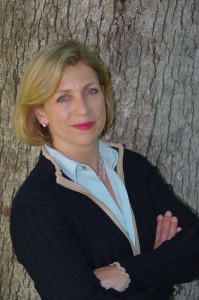
IN my heart and in my head I have always thought of myself as Puerto Rican, Born in Queens, NY to a Puerto Rican mom and a dad from Aruba and a bilingual home, lived in Puerto Rico for a number of years…but I’ve always looked like a white girl: sadly straight hips, no ass to speak of (at least in the way we think of ass in the Caribbean) light-skinned, green eyes, light brown hair that’s neither curly nor straight…oh! the tragedy! My black friends would urge me to just pass, cause it’s easier, but when you have “la musiquita por dentro”(the music inside), can you? When it is not exactly about race but about ethnicity and culture, what does it mean? Funnily enough, when my son was born, with exactly my white girl coloring, there I’d be, speaking to this nursing baby in Spanish exclusively, and the unbidden question would come up in my head: “How is this little leprechaun ever going to understand you? Look at him! He’s a gringo!” As if our appearance when we are born is our destiny, down to the language we speak. And perhaps it is. So do I wish I were born looking more stereotypically Puerto Rican? Yes, and no. I would have liked to be curvier, sassier. I would have made a career out of my mom’s insanely thick, curly, long dark hair. However, I like being the Stealth bomber of the Latino world. I may not look Puerto Rican, but here I am, watching, spying, learning about what white Americans really think..

“So… I should just check ‘Other’?”

Hannah Killen,
Lubbock, TX

I’ve been called racially ambiguous more times than I can count. The thing is, just because I’m mixed doesn’t mean I don’t want a claim to my race. Just because I can pass as white doesn’t mean I want to pretend for the privileges. I love my culture and I take pride in my heritage. It sucks that on every form I have to check ‘other’ instead of my identity actually mattering.

I pass, but I can understand.

Kira Henstenburg,
Washington, DC.

Mixed race Russian-Kazakh. Adopted.
I’m not considered “asian enough” to be invited to anime conventions.
I’m not comfortable taking a strong stance on race in class discussions because I’m considered white.
I’m told I “look a lot like my father.”
If I say I was born in Russia, people assume my parents had me there and moved here.
I identify myself as a mixed race Russian/Kazakh and adopted, and yet there are people who are willing to challenge me and tell me I’m wrong. There are people who are willing to judge me based on my hair color and my skin tone. People out there who are willing to fit me into a box that I don’t feel like I fit into at all.
I may pass as white, but I still understand how people treat others differently based on race.

Your experience does not invalidate mine

Elya,
Chevy Chase, MD.

I grew up very privileged, and when I realized that I was being bullied by my white peers because of race, my parents decided that I would no longer be sheltered because of my race. I became very active in my student activism group and because I am mixed, I was never really accepted by the black kids. I don’t pass as white, so I was not accepted by the white kids. I have learned that self love is more important than trying to fit in with your perceived race. My friends are Jewish, Ethiopian, Chinese, Norwegian, Jamaican and so much more.

Standing on the shoulders of my forebears

Elizabeth Lorde-Rollins, MD, MSc,
New York City, NY.
Manhattan.
Collected from The Race Card Project, On Location: The Brooklyn Museum

My grandmother came from Grenada in 1926 and got a job at the Waldorf-Astoria cleaning because she was light enough to pass for white. My grandfather had no work until WWII broke out (he was too old to serve).

You are what you pass for.

Amber,
New York, NY.

I had an interesting experience at a Family Health Center today. I was experiencing trouble at home with applying for health care online and sought help finishing the application with a woman named Carmen who specializes in enrolling people. She said my ethnicity was in question and that it was affecting my eligibility.

She asked me if I was Spanish or white. I said, white, but quarter Spanish.
She asked where my parents were born. I said, Brooklyn & Bronx. Then she determined I was full white because I’m American.

I asked Carmen, “So your grandchildren are white?” She said, “Excuse me?” Carmen was of Spanish descent with an obvious accent.

I said, “I think you’re confused, my nationality is American. A person’s ethnicity is not determined by nationality. There are a wide range of ethnicities here in the U.S.”

Then she said, “No. You can answer however you may like, but you’re white.”
I said, “Yes, I’m white, but nobody is a full breed anymore. People can be mixed races, but what counts is how you look I guess? What you pass for. What am I? Each grandparent is from a different country.” I felt shame for saying claiming you I was.

It was a ridiculous conversation that was insignificant. I had to leave early to go to my Dr appt and when I returned she said she put my application through and that I wasn’t eligible for health insurance. That was upsetting for me because I am going through a rough financial time in my life with a serious health issue.

I went home and called the NYS marketplace and a very nice person helped me finish my application on the phone and I am now eligible for health insurance. What was the most interesting was that my eligibility had nothing to do with ethnicity, it had to do with showing proof of income or show last paycheck. I scanned those in and now all is good. On top of that, she submitted my application empty.

I don’t know how many people she refused to help or had a similar race conversation with, but it is extremely unprofessional and a horrible feeling to be at the mercy of someone who you need help from. I felt very uncomfortable in her presence, like she had already written me off or assumed who I was, but was saccharine sweet to people who spoke with a Spanish accent.

As someone who views dating a racist as a deal breaker I felt like saying, you’re picking on the wrong person, your anger is misdirected. But I don’t need her validation. I don’t lump all Spanish people as awful like that woman, I know better. I know that the only point they are making is useless and from anger. I just feel sad that people perpetuate a cycle they hate. If you don’t want racism in your life, then why are you making it a part of your life?

Join the Newsletter

Subscription to our newsletter open soon.

Indulge in timeless elegance with our hand-curated collection of luxury vintage men’s fashion. From classic suits to iconic accessories, our online store offers a premium shopping experience for the modern gentleman who appreciates quality and style. Shop now and elevate your wardrobe with our carefully selected pieces that celebrate the art of craftsmanship and heritage fashion.